Every crochet adventure begins the same way, and that’s with picking up the basic stitches one by one. The single crochet is right at the top of that list. You’ll run into this stitch in pretty much every pattern you open, and honestly, there’s no way around learning it if you want to crochet properly. Whether your dream project is a cozy sweater for winter or just a simple blanket to toss on the couch, chances are very high that this little stitch will be involved.
What is a single crochet stitch?
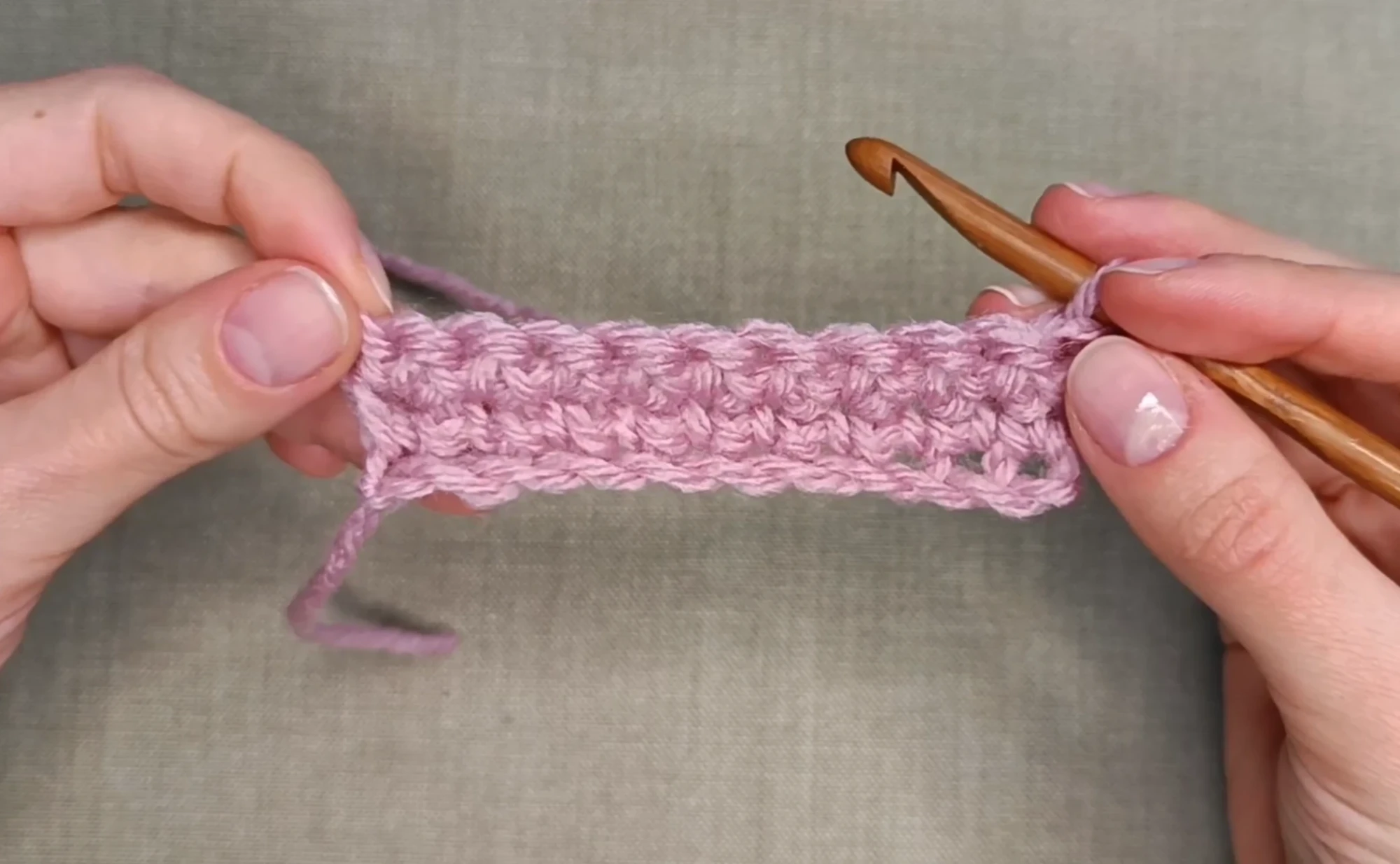
The single crochet is probably the easiest crochet stitch out there, and at the same time one of the most useful ones you’ll ever learn. It creates a fabric that’s tight and dense, which works beautifully for loads of different crochet projects. A lot of beginners use this stitch to get used to other basics too, like figuring out the right way to hold the hook and manage the yarn flow.
If you’re just getting started, you might be wondering about a few things:
- Can I use it to make a blanket?
- Can I use it to make clothing?
- Can I use it for amigurumi?
And the answer to every single one of these is a big YES. Single crochets show up in everything, from everyday items like scarves and beanies to home stuff like blankets and cushions, and of course those cute little stuffed toys everyone loves.
When you use single crochet for a blanket, the fabric comes out warm and thick, which is exactly what you want for curling up on a cold evening. For amigurumi, those tight little stitches work like a barrier, keeping the stuffing tucked in where it belongs so your toy ends up looking clean and finished.
And then there’s clothing. Single crochet can carry you through every season, from chunky sweaters and scarves that keep the cold out in January to light summer tops and breezy dresses for warmer days.
What is the difference between single crochet and double crochet?
If you just glance at them quickly, single crochet and double crochet might look like close cousins. But once you actually work them, the differences become pretty clear, both in how you make them and how the finished fabric looks.
Single crochet stitches are short, which gives you that tight, compact fabric we talked about. It’s the right pick when your project needs to feel solid and hold its shape well.
Double crochet, on the flip side, is taller. The fabric it makes is looser and has more drape, so it works nicely for lighter, airier pieces where you want the finished item to flow a bit. Once you get a feel for how these two behave differently, you can start choosing the right stitch for whatever you’re making instead of just guessing.
What type of yarn is best for single crochet?
When you’re just practicing, grab a medium-weight yarn, either aran or worsted. It has enough body to it that your hands won’t get frustrated, and the stitches don’t disappear into the fabric. Light colors help a lot too while you’re learning, so go for something like white, cream, beige, or light gray. Trying to learn on dark yarn is a quick way to end up squinting at your work wondering where your last stitch went.
How do I make a single crochet stitch?
This stitch gets a whole lot easier once you can actually see it being done step by step. For a proper walk-through with a video and all the instructions laid out clearly, take a look at this guide: Master the Single Crochet Stitch [Video for Beginners]. It covers everything you need to pick up this stitch quickly without feeling overwhelmed.
Are there any common mistakes to avoid when doing single crochet?
One of the first things beginners tend to slip up on is putting the hook into the wrong part of the stitch. It’s an easy mistake because at first glance the top of a stitch can be confusing to read. Another thing that happens a lot is missing the very last stitch at the end of a row. It seems small, but over time this can throw off the shape of your whole project.
The best way to catch these issues early is to count your stitches at the end of every row. Stitch markers are also a lifesaver here. Pop one into the first or last stitch of a row and you’ll always know where you are.
How do I fix a mistake in a Row of single crochet?
First, find exactly where the mistake is sitting in the row. Then carefully undo your stitches one by one, working backward until you reach the spot where things went wrong. This whole undoing process has a funny nickname in the crochet world, it’s called ‘frogging’ (because you ‘rip it, rip it’). Once you’ve pulled back to the right place, you can rework that section properly and keep going.
What are some variations of the single crochet stitch?
The single crochet isn’t a one-trick pony. There are a few twists on it that add really nice texture to your work:
- Extended single crochet – made almost the same way as a regular single crochet, but with one extra loop pulled through. The result is a taller stitch that still keeps that solid, gap-free fabric.
- Front loop single crochet and back loop single crochet – instead of working through both loops at the top of the stitch, you only go through one. This gives the fabric a lovely ribbed, textured finish that’s great for cuffs, edges, or any time you want a bit of visual interest.
Playing around with these variations opens up a ton of options for making your projects feel more personal and creative.
Are there any tips for maintaining tension while single crocheting?
Keeping your tension even is one of those things that can really make or break how your finished piece looks. The trick is to hold the working yarn so it slides through your fingers smoothly, without being pulled too tight or flopping around too loose. It’s a feel thing more than a rule thing, and like most crochet skills, it just gets better with practice. Don’t stress if your first few rows look a bit uneven, this is completely normal and it evens out the more you do it.